Food Hygiene
 Health & Safety
 Safeguarding
 First Aid
 Business Skills
 Personal Development

Course Curriculum
| Module 01: Perspectives in Psychology | |||
| What is Psychology | 00:08:00 | ||
| The Biological Approach | 00:10:00 | ||
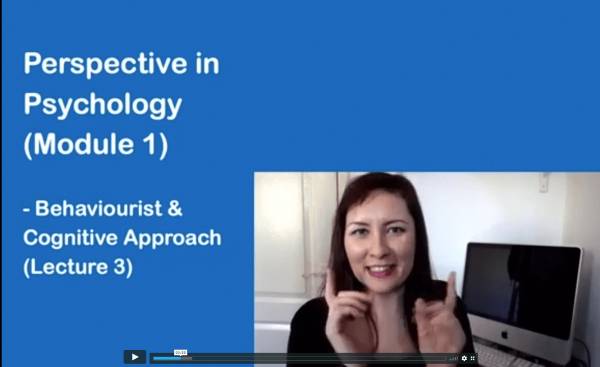
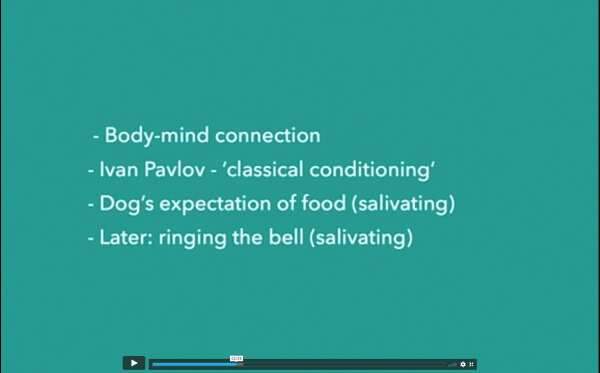
| Behaviourist and Cognitive Approaches | 00:10:00 | ||
| Person-Centred Approaches | 00:08:00 | ||
| Research Methods in Psychology | 00:12:00 | ||
| Debates in Psychology | 00:13:00 | ||
| Module 02: Social Psychology | |||
| Social Influence: Compliance, Obedience and Conformity | 00:10:00 | ||
| Social Cognition | 00:09:00 | ||
| Applied Social Psychology | 00:10:00 | ||
| Module 03: Cognitive Psychology and Its Applications | |||
| Perception | 00:10:00 | ||
| Attention | 00:07:00 | ||
| Remembering (Memory) | 00:10:00 | ||
| Forgetting (Memory) | 00:07:00 | ||
| Language | 00:10:00 | ||
| Thinking (Cognition) | 00:07:00 | ||
| Attitudes | 00:10:00 | ||
| Problem-Solving and Artificial Intelligence | 00:09:00 | ||
| Module 04: Child Development | |||
| Issues in Child Development | 00:05:00 | ||
| Cognitive Development | 00:07:00 | ||
| The Development of Language and Communication | 00:06:00 | ||
| Social Perception (Interpersonal Perception) | 00:06:00 | ||
| Moral Development | 00:09:00 | ||
| Module 05: The Psychology of Atypical (Abnormal) Behaviour | |||
| The definition and Diagnosis of Atypical (Abnormal) Behaviour | 00:07:00 | ||
| Treatments of atypical (abnormal) behaviour | 00:07:00 | ||
| Emotional disorders | 00:05:00 | ||
| Module 06: Research Methods | |||
| Research Methods | 00:06:00 | ||
| Research Issues | 00:06:00 | ||
| Data Analysis | 00:07:00 | ||
| Thank You and Good Bye! | 00:02:00 | ||
| Module 07: Additional Study Materials | |||
| Additional Study Materials: Diploma in Psychology | 00:05:00 | ||
| Module 08: Child Psychology - Applied | |||
| What is ‘Child Psychology’? | 00:08:00 | ||
| The Role of Child Psychologist | 00:06:00 | ||
| Where do Child Psychologists Work | 00:07:00 | ||
| Module 9: Child Psychology - Theoretical Approach | |||
| Why do we need to learn theories? | 00:08:00 | ||
| Developmental Theories: What we are born with | 00:09:00 | ||
| Development Environment | 00:09:00 | ||
| Module 10: Environmental & Socio-Cultural Factors in Development | |||
| ‘Attachment’ factor in newborns | 00:08:00 | ||
| Socio-Cultural Factors in Child’s Development | 00:08:00 | ||
| Module 11: Family & Schooling Factors in Development | |||
| The Role of Parenting in Child’s Development | 00:10:00 | ||
| Relationship Breakdown in the Family | 00:07:00 | ||
| Schooling Environment | 00:08:00 | ||
| Counselling Young Children | 00:08:00 | ||
| Module 12: Cognitive and Emotional Development | |||
| Language & Cognitive Development | 00:07:00 | ||
| Emotions & Feelings | 00:06:00 | ||
| Socialising with others | 00:04:00 | ||
| Thank You and Good Bye! | 00:02:00 | ||
| Module 13: Additional Study Materials | |||
| Additional Study Materials: Child Psychology | 00:00:00 | ||
| Module 14: Cognitive Behavioural Therapy | |||
| What is CBT (the CBT model) | 00:06:00 | ||
| NICE guidelines | 00:04:00 | ||
| The therapeutic alliance, Trust and Empathy | 00:07:00 | ||
| Ethics of the therapy | 00:05:00 | ||
| Eating disorders: Categorisations | 00:07:00 | ||
| Core Psychopathology of Eating Disorders | 00:07:00 | ||
| Co-morbid psychiatric illness | 00:07:00 | ||
| Social and Family factors | 00:08:00 | ||
| Cognitive factors | 00:07:00 | ||
| Emotional factors | 00:09:00 | ||
| First session – Assessment | 00:08:00 | ||
| Dietary and Nutritional issues | 00:06:00 | ||
| Setting Goals with the client | 00:07:00 | ||
| Motivational factors | 00:07:00 | ||
| Working with Anxiety | 00:05:00 | ||
| The Socratic approach (Socratic questioning) | 00:06:00 | ||
| Psychoeducation | 00:04:00 | ||
| The ‘Exposure’ technique | 00:07:00 | ||
| Working with Beliefs (shape, weight, food) | 00:07:00 | ||
| Behavioural Experiments | 00:07:00 | ||
| Designing and Reviewing Action plans | 00:06:00 | ||
| Concluding therapy successfully | 00:04:00 | ||
| Follow up and Relapse Prevention | 00:05:00 | ||
| Thank you and Good Bye! | 00:02:00 | ||
£35
ex Vat
TAKE THIS COURSE
SAVE 86% - OFFER ENDS SOON
- Original price was: £250.00.£35.00Current price is: £35.00. ex Vat
- 1 year
- Level 4
- Course Certificate
- 8 hours, 21 minutes Gift this course
Buying more than one of the same courses?
- 50% discount for orders of 10+ courses
- 60% discount for orders of 50+ courses
- 70% discount for orders of 100+ courses
Looking for a more personalised package?
contact us nowInstructors


241 STUDENTS ENROLLED