Food Hygiene
 Health & Safety
 Safeguarding
 First Aid
 Business Skills
 Personal Development
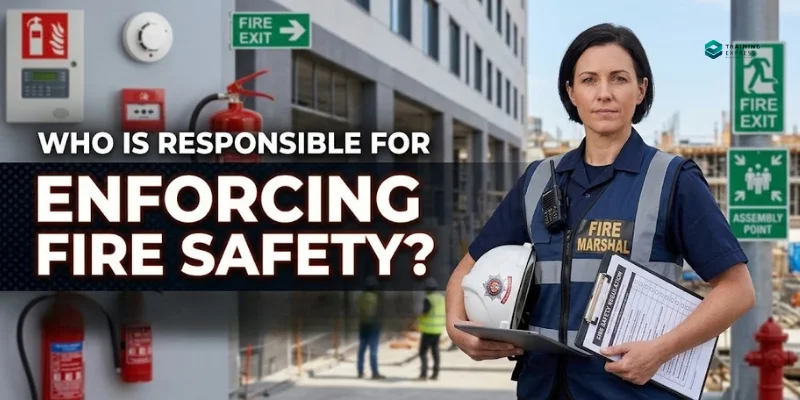
Who Is Responsible for Enforcing Fire Safety?
Local Fire and Rescue Authorities (FRAs) are primarily responsible for enforcing fire safety legislation in non-domestic premises under the Regulatory Reform (Fire Safety) Order 2005. They inspect workplaces, assess fire safety compliance and take enforcement action where necessary to protect people from fire risks.
Read More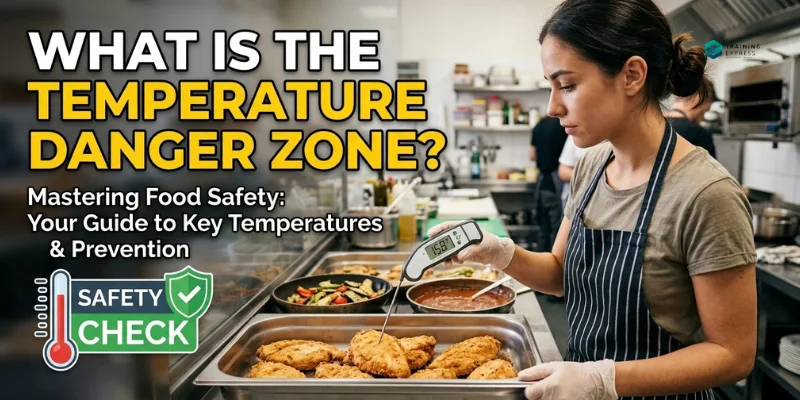
What Is the Temperature Danger Zone? Full Guide & Chart
The temperature danger zone is where bacteria multiply fastest on food. Here's the exact range (UK and US), the 2-hour rule, safe cooking temps, and a free chart.
Read More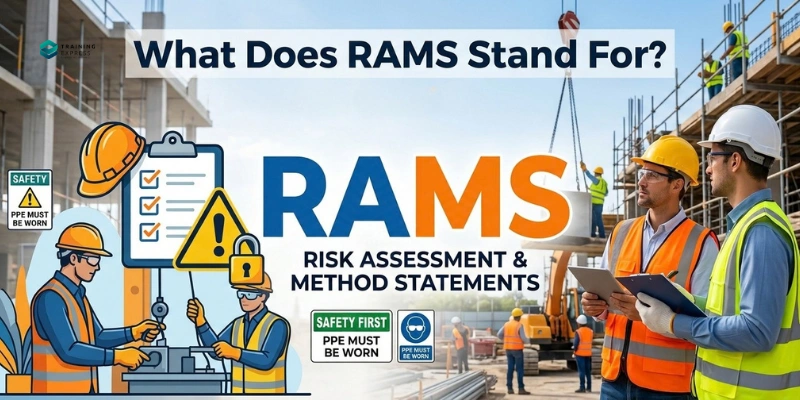
What Does RAMS Stand For? Meaning, Examples & Template
RAMS stands for Risk Assessment and Method Statement. It's a combined health and safety document that sets out the hazards involved in a task, the controls that will keep people safe, and the step-by-step sequence the work will follow.
Read More
Top 5 UK Online Cleaning Courses for Individuals in 2026
Not all cleaning courses teach the same thing. A hospital corridor, a food prep counter and a family kitchen each need different know-how — so we've rounded up five online courses that actually match the job, from general cleaning to NHS, food safety and care settings.
Read More
AI Tools That Actually Save You Money in 2026 (And the Math to Prove It)
AI apps promise to save you money — but do they, once you subtract the subscription? We calculated the real break-even point for the AI budgeting, shopping and investing tools everyone's using in 2026. A few are worth it. Most aren't.
Read More
What is Guidance and Counselling? 5 Categories Explained
Guidance helps people understand their options, make informed decisions and plan practical next steps. Counselling is a supportive process that helps people manage personal, emotional and psychological challenges.
Read More
How Hard Is Nursing School? What Students Should Really Expect
Wondering how hard nursing school really is? Learn what makes nursing training challenging, the hardest parts of nursing school, placement expectations, stress levels, and practical tips for succeeding as a nursing student in the UK.
Read More
Who is Responsible for Enforcing Food Hygiene Legislation?
Ever wondered who actually shows up to check your kitchen's hygiene standards — and who's really in charge behind the scenes? This guide breaks down exactly who enforces food hygiene law in the UK, from the Food Standards Agency's national oversight to the Environmental Health Officers who inspect your premises, plus the key differences across England, Scotland, Wales and Northern Ireland.
Read More
What is Emotional Intelligence?
Emotional intelligence isn't a personality trait — it's a skill you build. Here's what EQ actually means, why it separates good managers from great ones, and how to start developing it.
Read More
15 Best Paying Business Careers in the UK in 2026–2027 (Growth & Salary Breakdown)
From CEOs and CFOs to investment bankers, management consultants, and strategy directors, this guide covers 15 high-paying business careers for 2026–2027, with salary ranges, career growth, and future demand.
Read More
The Data Protection Act 2018: Purpose, Principles And Penalties!
Confused about the Data Protection Act 2018 and what it means for your business? This guide breaks it down in plain English, from the key principles to what's changed under the new Data (Use and Access) Act 2025.
Read More
The Health and Safety at Work Act 1974 Explained
The Health and Safety at Work Act 1974 is the law that makes UK employers legally responsible for keeping their staff safe — not just a good idea, a legal duty. It requires businesses to protect employees, contractors and the public "so far as is reasonably practicable," and gives the Health and Safety Executive the power to inspect, fine, or shut down anyone who doesn't. Over fifty years on, it's still the backbone of every health and safety rule in the UK.
Read More