Food Hygiene
 Health & Safety
 Safeguarding
 First Aid
 Business Skills
 Personal Development
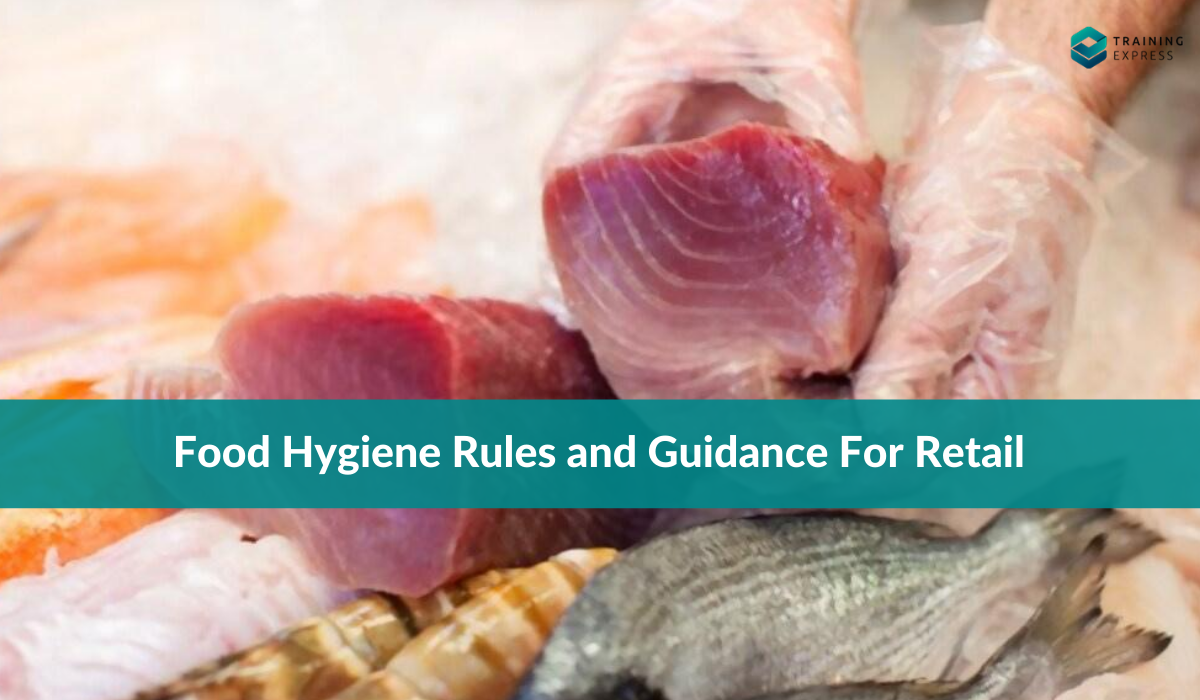
Food business or running a restaurant is a profitable venture nowadays. With food comes hygiene. Specially in the UK, you have to maintain government food hygiene rules and food safety rules. You as a retailer may face punishment if you do not abide by these rules. So food hygiene facts and food safety guidelines are necessary to know. These regulations may seem very hard but you have to keep in mind that a customer’s health depends on it!
Basic Food Hygiene Information
Hygiene is a series of practices done to preserve human health. So food hygiene refers to a series of practices done to preserve food quality, nutrition and avoiding any contamination. A retailer must describe how his/her food is made and how safe it is to eat.
Basic Food Hygiene Guidelines
There are 4 Cs in food hygiene guidelines. Everybody who deals with food has to maintain that. Whether they handle the food or cook it. Generally these guidelines are-
- Cleaning
Clean hands, environment, kitchen, food containers and food itself. Having clean hands is a prerequisite if you want to start a food retail shop. Some cleaning products are-
- Washing powder
Are used to wash dishes, cans, cups etc.
- Disinfectants
Normally for cooks or food keepers
- Sanitisers
Used mainly on surfaces to make it bacteria / virus free.
- Cooking
Cooking is normally done to avoid rawness ,kill germs and of course make the food tasty. But there are regulations for cooking every type of food under minimum conditions. Such as-
- Meat
Any meat (poultry, duck, steaks, products made from minced meat such as burgers, sausages and kebabs, kidneys, liver and other types of offal) has to be cooked thoroughly. Meat can contain harmful bacterias inside. Undercooked meat can cause food poisoning.
- Liver pâté
To avoid the risk of campylobacter, heat liver cores to 70°C for 2 minutes. Pre-freezing livers is also recommended avoiding campylobacter.
- Cooking temperatures
The standard cooking temperatures in the UK are 60°C for 45 minutes, 65°C for 10 minutes, 70°C for 2 minutes, 75°C for 30 seconds, 80°C for 6 seconds.
- Chill
Chilling / frosting / freezing the food is necessary to preserve food. The foods with expiring dates, cooked dishes, prepared salads and desserts are supposed to be chilled. If you do not store these kinds of food in proper freezing temperature or freezing temperature is not operating well, then you have two options.
- Instantly store your food in proper freezing condition
- If not possible, throw your food away
- Freezing Temperature should be 8˚C or below (5˚C is best)
- Cross-Contamination
You can understand it by its name. Bacteria can spread between food, surfaces and equipment. Normally you can contaminate food in three ways-
- Raw food can contaminate ready to eat food so don’t mix it up
- Equipment can contaminate fresh food e.g. raw meat chopping knife, board used on ready to eat food.
- Your hands are the best media of cross-contamination. Unclean (you know how it happens!), long-nailed hands are there to contaminate the food.
Enrol in Food Hygiene and Safety for Retail course to know more
Click HereGeneral Food Safety Guidelines
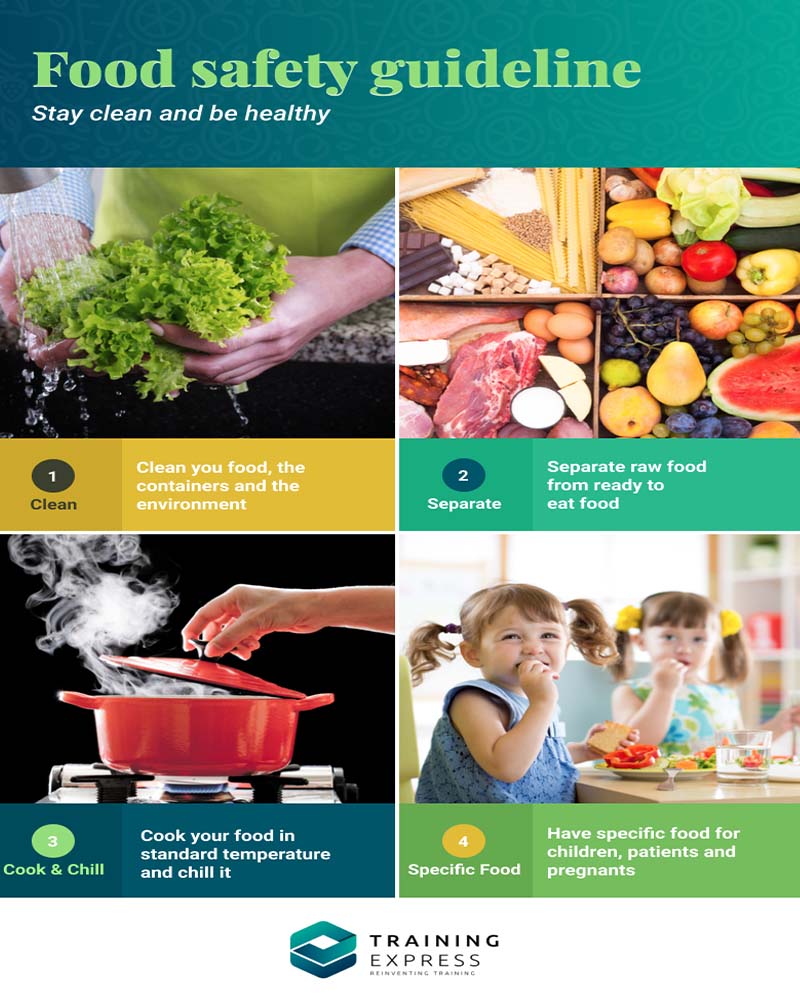
Food safety guidelines follow the same as the food hygiene facts. The steps are
- Clean
Clean hands, environment, kitchen and the food itself. Washing hands is the prerequisite of all as cross contamination happens with hands.
- Separate
Separate the prepared food from raw food, rotten food from fresh food and more importantly clean food from dirty places.
- Cook and Chill
Cook and Chill seafoods, meat, poultry, and egg dishes at a minimum temperature to destroy harmful microorganisms.
- Specific Populations
Specific Populations are disturbed by some foodborne illness. Pregnents, OT patients, infants or aged people should take special precaution about food hygiene and safety.
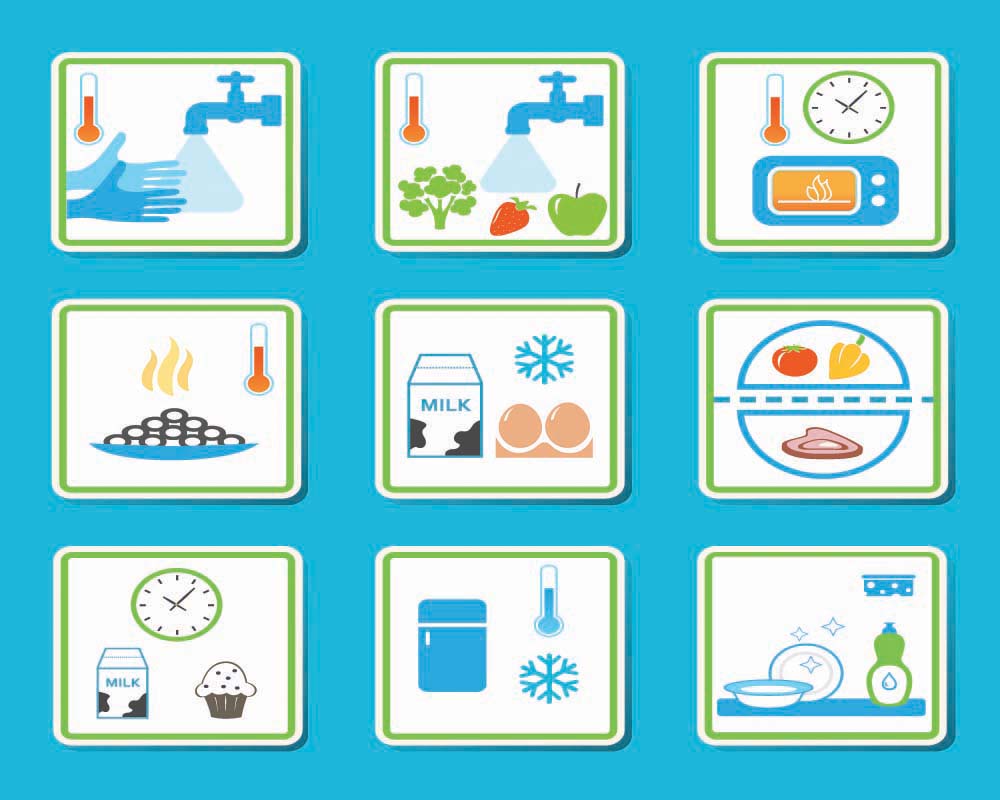
There are numerous and a very long regulation guidelines for the food industry. The UK government rolls a strict eye to these food hygiene guidelines. The facts a food industry has to maintain are-
- Legal Background
Whether you have the permission or eligibility to do business in the place.
- Food Hazards are-
- HACCP Principles and Assessment Charts
- Control Measures include
- Temperature control
- Product handling
- Cleaning
- Personal hygiene
- Display of open foods
- Supervision, instruction and/or training
- Pest control
- Equipment and facilities
- Structure
- Documentation, monitoring and records
- Emergency procedures
- Transport
- Movable/temporary premises.
If you want to grow a retail shop or become a specialist in a food industry Enrol in Food Hygiene and Safety for Retail course.
Hygiene Standards for Food Handlers
The law of the UK government implies that food staff who handle food must have some food hygiene standards. These food hygiene rules are-
- training on-the-job
- self-study
- relevant prior experience
Tips for Serving Food Safely
- Serve the cold food above 8˚c before 4 hours of defrosting
- Serve the hot food below 63˚c before 2 hours of cooking
This should happen only once for each food. If you can not serve the cold food by this time, throw it away or chill it. You have to chill the hot foods to as much as 63˚c to serve. Don’t forget to preserve the food in a safe temperature.
Guidelines in Preparing Stocks
- Store in appropriate condition (don’t stock fish product in open air)
- Design your storage to prevent harmful deterioration and contamination
- Keep food under refrigeration if necessary (meat, fish, livers)
Food contamination may not be life-threatening, but improper hygiene practice can cause painful illness or even long-term problems. As a food retailer businessman, you have to be aware of this fact ‘bad food means bad business’. In an instance you can lose your popularity and credibility as a food retailer. I believe you don’t want that ever. So change your life and the business policy by doing this course.
Read More Blogs
- Top 15 Highest Paying Cyber Security Jobs in UK
- Top 5 Easy DIY Plumbing Fixes for Beginners
- Top Health and Social Care Certifications UK
- Health and Social Care Jobs You Can Get After Level 3 Diploma
- How to Choose the Right Plumber for Low Water Pressure Issues
- An Introduction to the Cleaning Industry: What to Expect from the Job
- Top 15 Highest‑Paying Pharmacy Jobs in the UK 2026 | Earn Up To 120k+
- What Can You Do With a Level 3 Diploma in Health and Social Care?
- UK Housing Safety Regulations: What Every Landlord Must Do
- Why is Dental Care So Expensive? The Shocking Truth
- Domiciliary Care Policies and Procedures
- The Difference Between Care Worker and Support Worker
- Top 40 Soft Foods for Braces: Easy, Tasty & Safe Meal Ideas
- What is Informal Care in Health and Social Care?
- Level 4 Health and Social Care | Free CPD Accredited Course
- Available Courses
- Animal care10
- Design36
- Training10
- Accounting & Finance Primary53
- Teaching & Academics Primary37
- Teaching23
- Quality Licence Scheme Endorsed181
- Law10
- IT & Software240
- Job Ready Programme52
- Charity & Non-Profit Courses28
- HR & Leadership4
- Administration & Office Skills6
- Mandatory Training36
- Regulated Courses4
- AI & Data Literacy29
- Health and Social Care291
- Personal Development1677
- Food Hygiene119
- Safeguarding81
- Employability288
- First Aid73
- Business Skills301
- Management432
- Child Psychology41
- Health and Safety539
- Hospitality28
- Electronics30
- Construction63
- Career Bundles201
- Marketing39
- Healthcare174